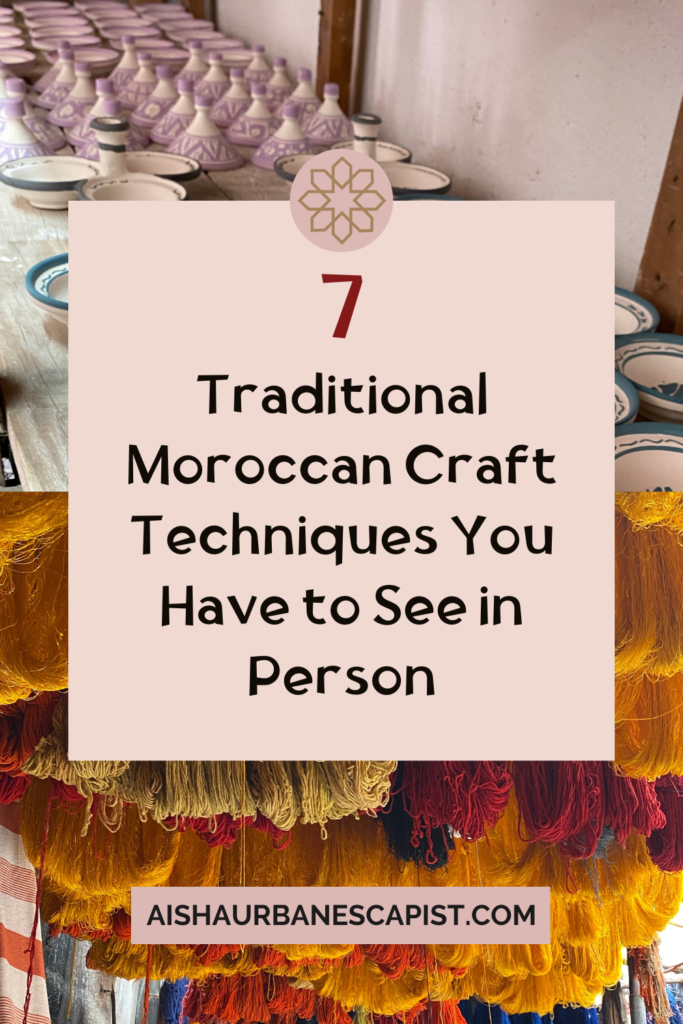
7 Traditional Moroccan Craft Techniques You Have to See in Person
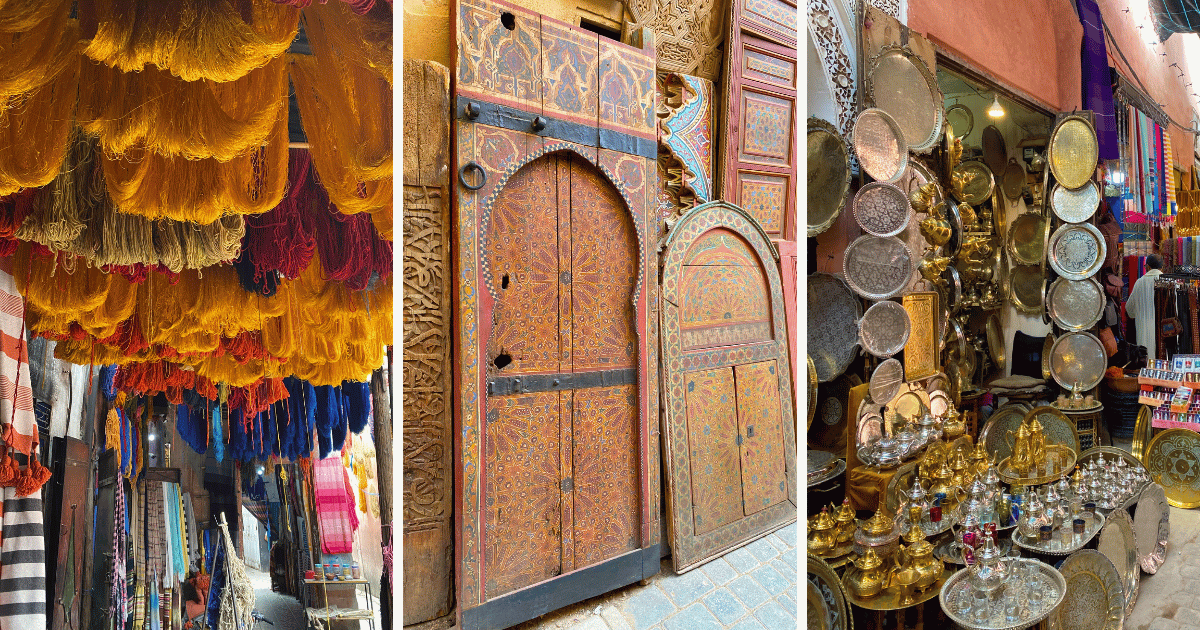
Witnessing traditional Moroccan craft techniques in person was a highlight of my 9-day trip through northern Morocco. Beautiful artistry is everywhere you look. You’ll find expert craftmanship in the massive, ancient palaces and mosques down to individual artisans selling their goods at the local medina. Keep reading to learn about seven traditional Moroccan craft techniques I saw on my trip.
Weaving
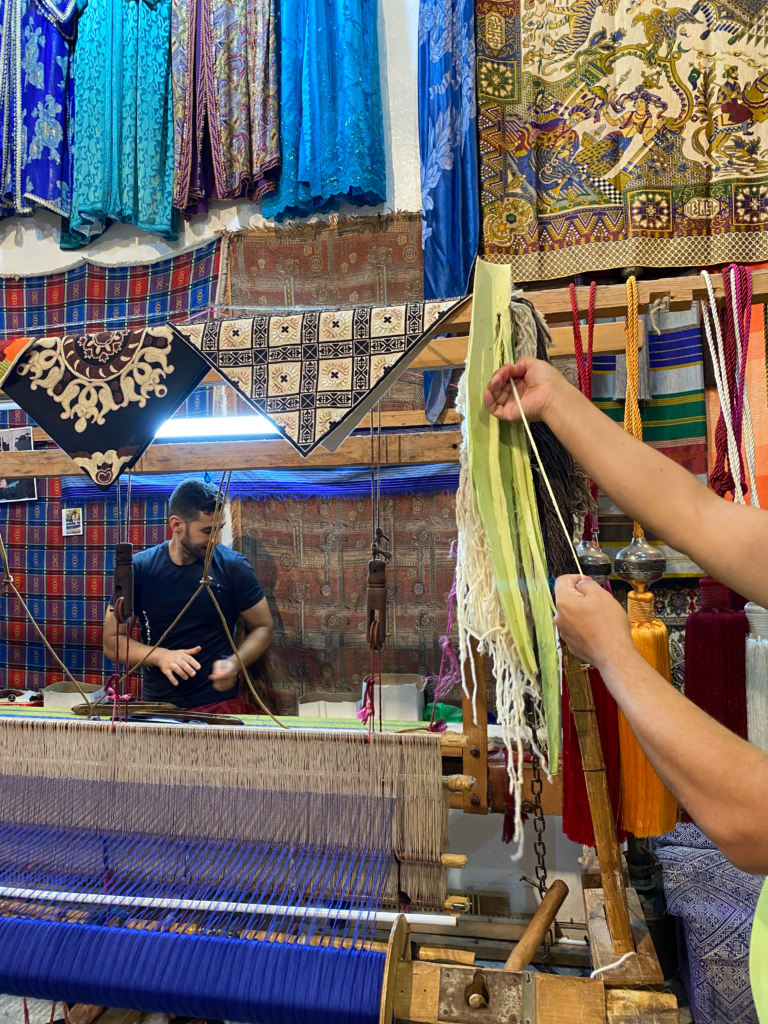
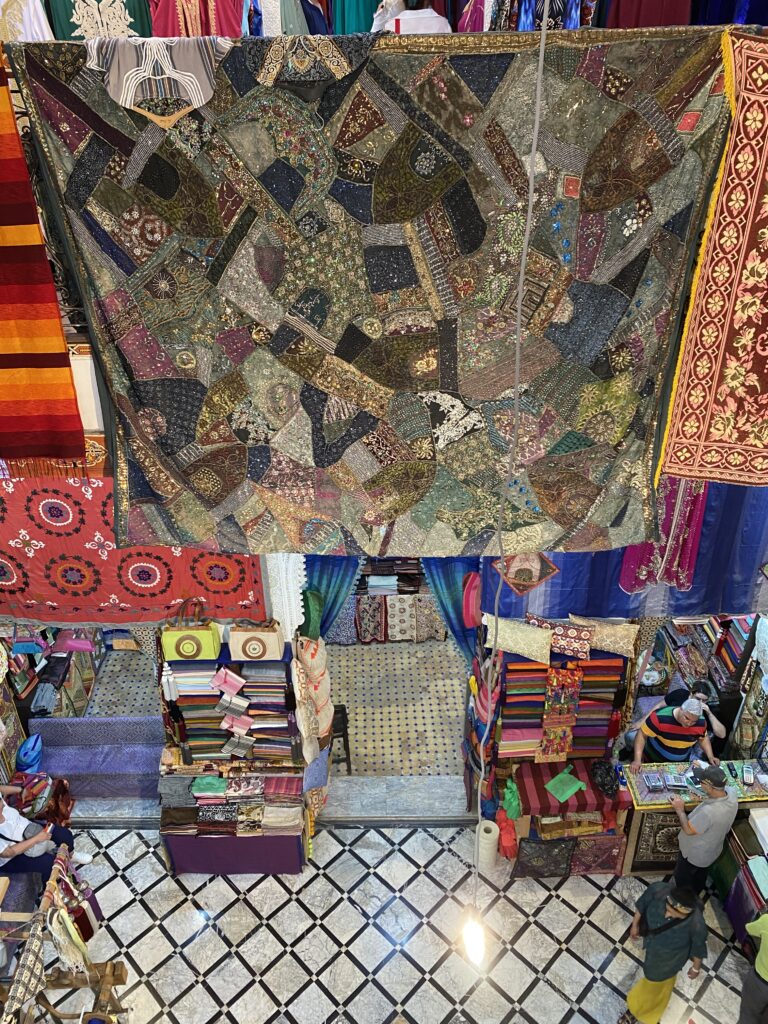
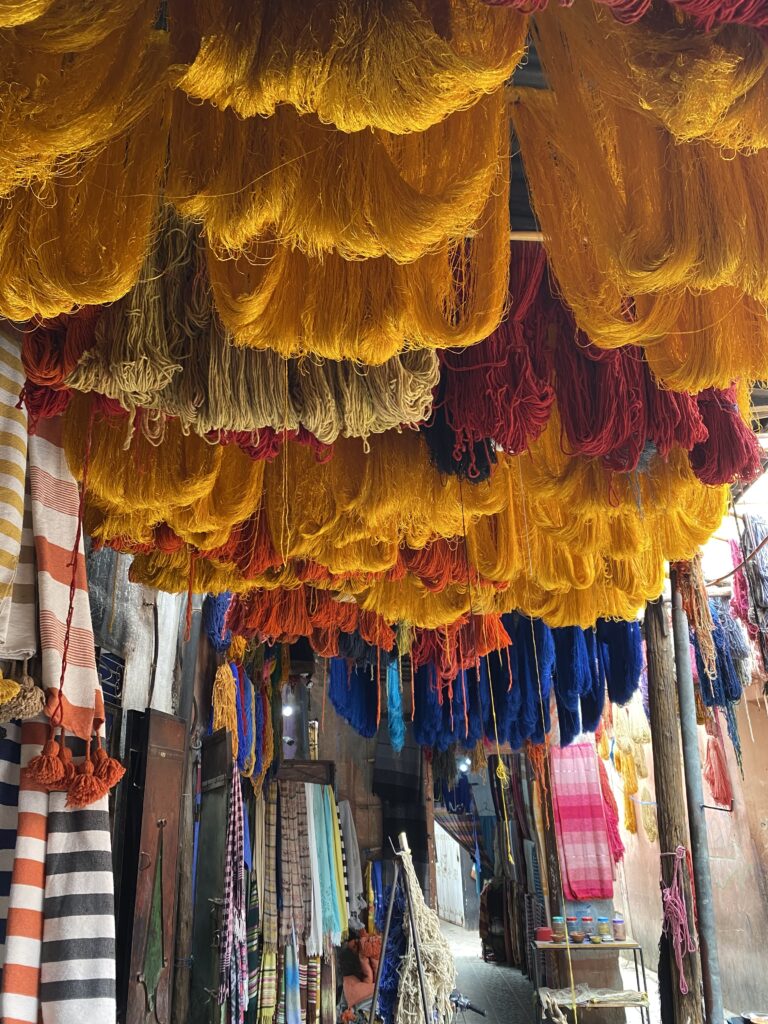
Weaving and textile traditions are plentiful in Morocco. There are many different traditions and techniques based on geographical location and ethnic group. The Amazigh people (also known as Berber), who are the indigenous people of Morocco, developed their techniques long before modern Morocco even existed. Amazigh geometric designs are not just decorative, but symbolize family history, social status, identity, and more.
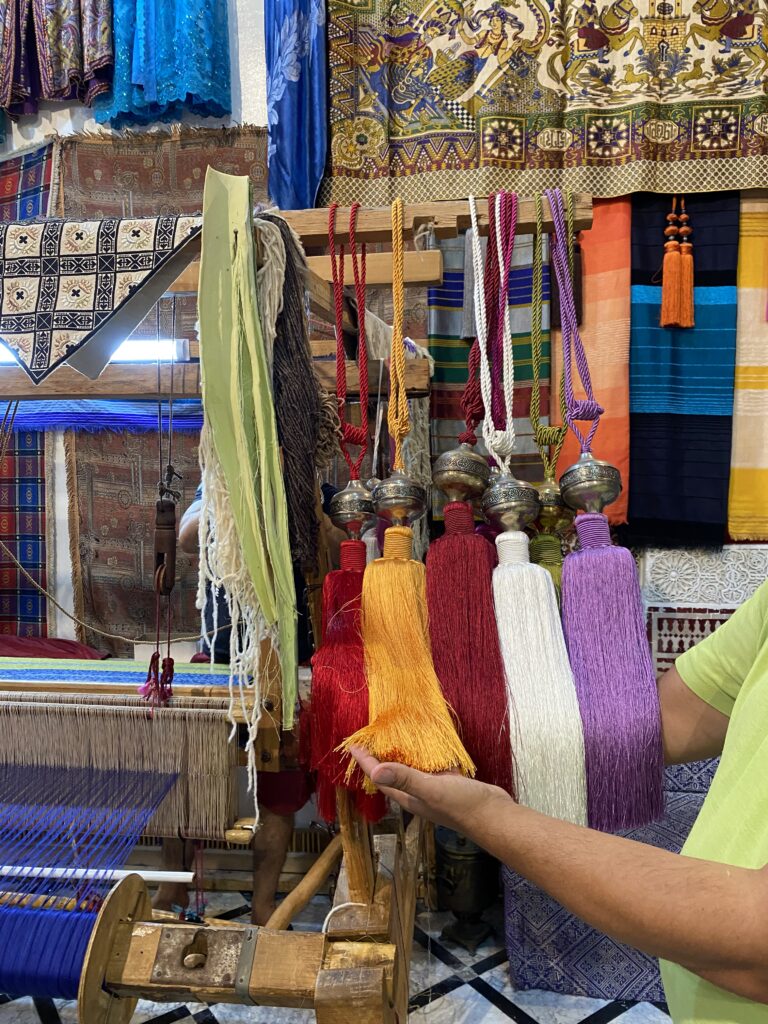
At a textile shop in the Fes medina, I was able to learn about sabra silk and see it firsthand. Sabra silk, also called Moroccan cactus silk, is not actually silk. It is made from agave plants (see photos below) and then spun into threads and dyed. The result looks similar to silk with its shine and texture. Wandering through any medina in Morocco, you will find colorful sabra silk and other textiles for sale.
Embroidery
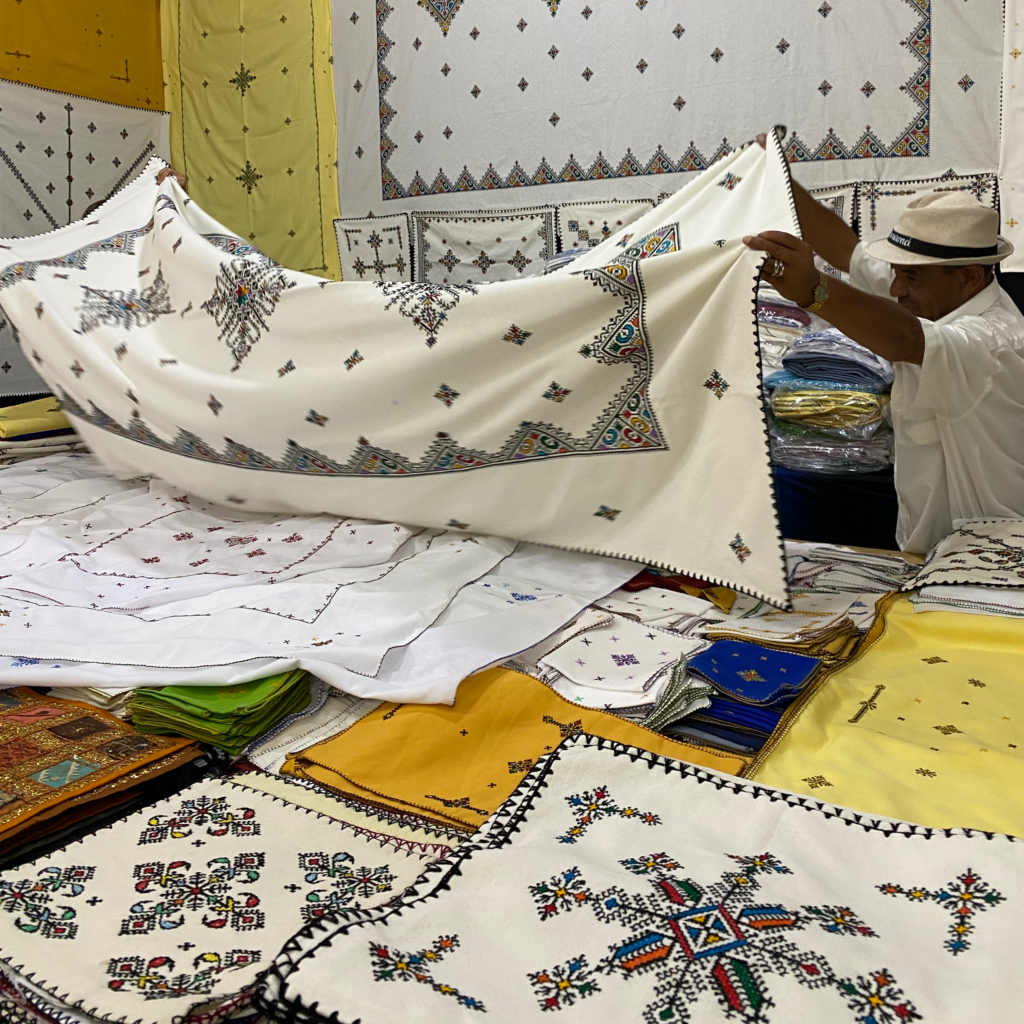
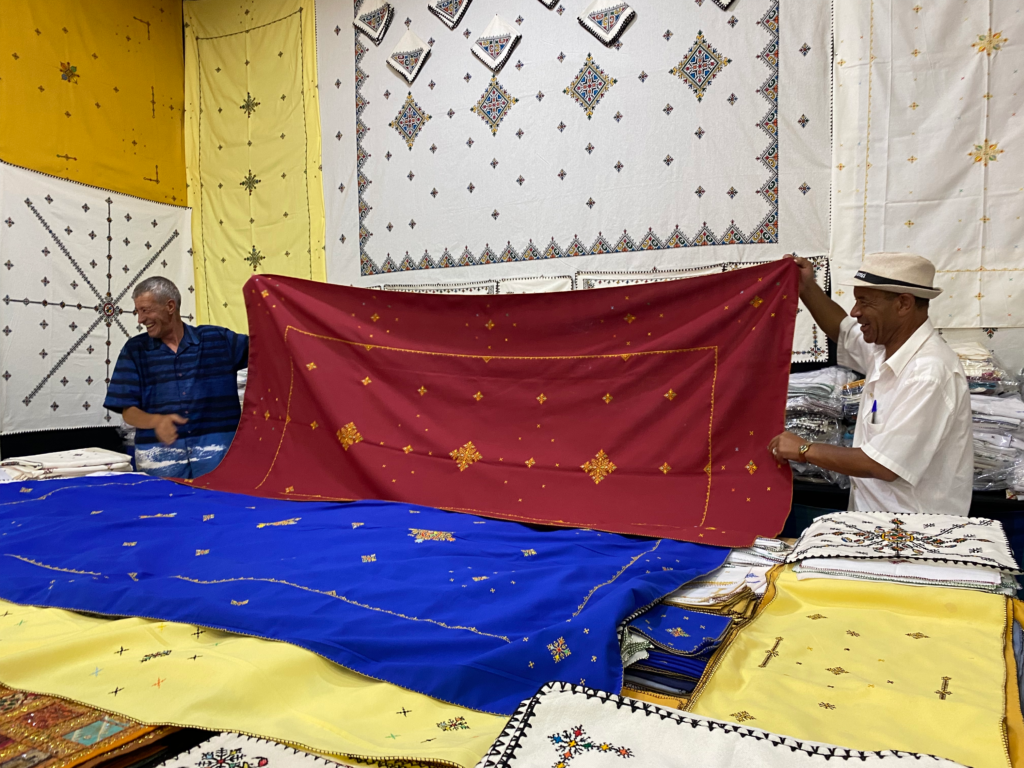
As mentioned before, Moroccan embroidery features geometric patterns that hold meaning in their shapes, colors, and styles. The craft is passed down through generations and has different techniques depending on the region. I visited a shop in Meknes with piles of gorgeous designs and colors showcased by the owners. The pieces in this shop were mostly to be used as tablecloths, table runners, cushions, and other decorative elements. Other types of Moroccan embroidery, like Amazigh, are used as tunics, headscarves, wool cloaks, and belts, and often have shells, coins, and sequins as embellishments. Amazigh women also use embroidery in traditional ceremonial and wedding clothing to preserve their culture and as protection for the family.
Pottery and Zellige
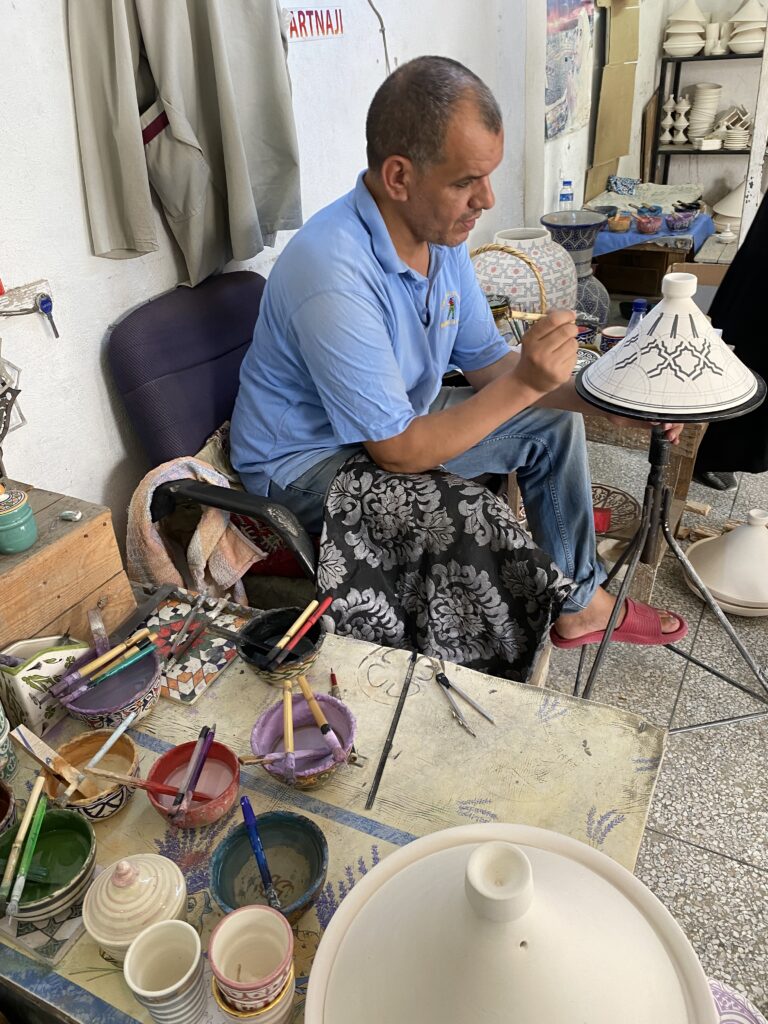
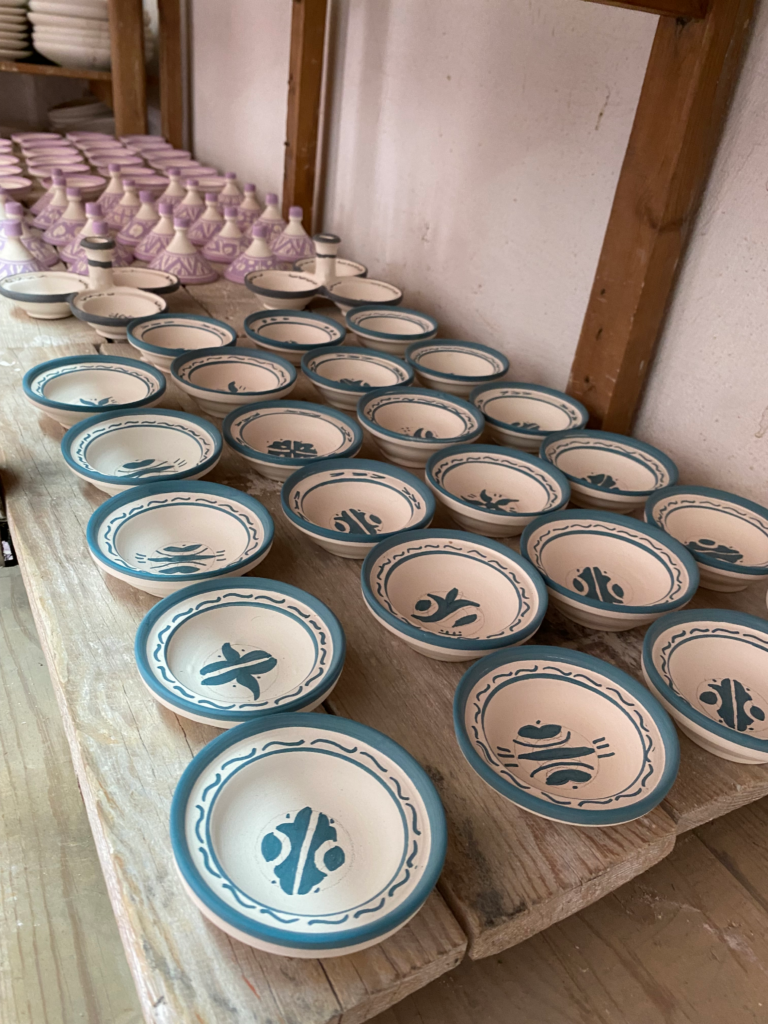
Before heading to the Fes medina, we stopped at Fes Pottery Art. Fes Pottery Art is a store and workshop that offers tours and classes. On the tour, we saw pottery being thrown on the traditional foot-powered kick wheel and detailed hand-painting on each piece, producing tagines, bowls, plates, platters, and vases.
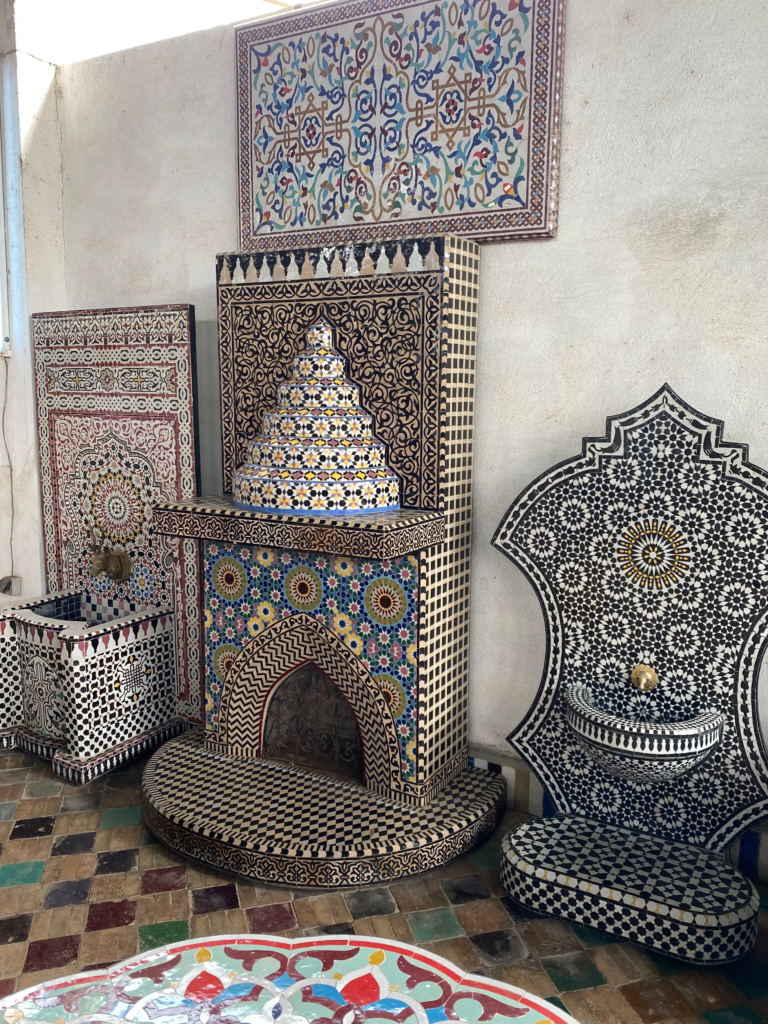
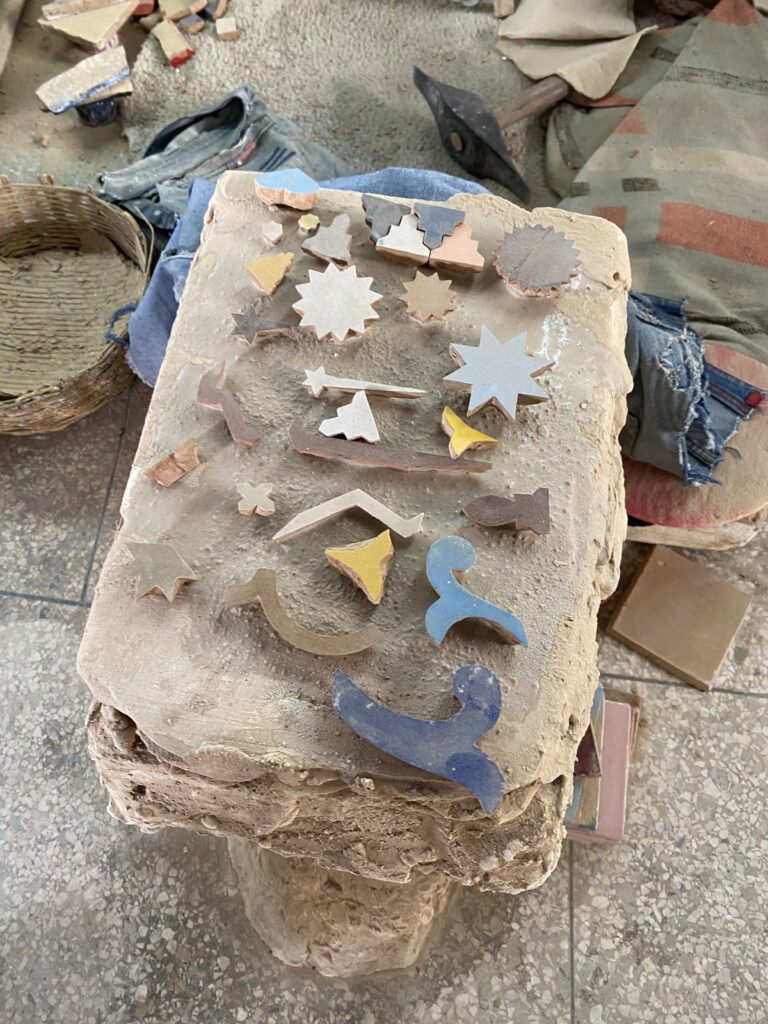
We also watched traditional Moroccan mosaic tiles, called zellige, being made. Each zellige tile is molded and chiseled by hand, sun-dried, glazed, then fired in a kiln, before being applied to whatever ceramic piece is being decorated. Zellige tiles are known for their natural variations in color, shape, and surface, making each handcrafted tile unique. The amount of time and skill that goes into each of these pieces is incredible to witness.
Henna
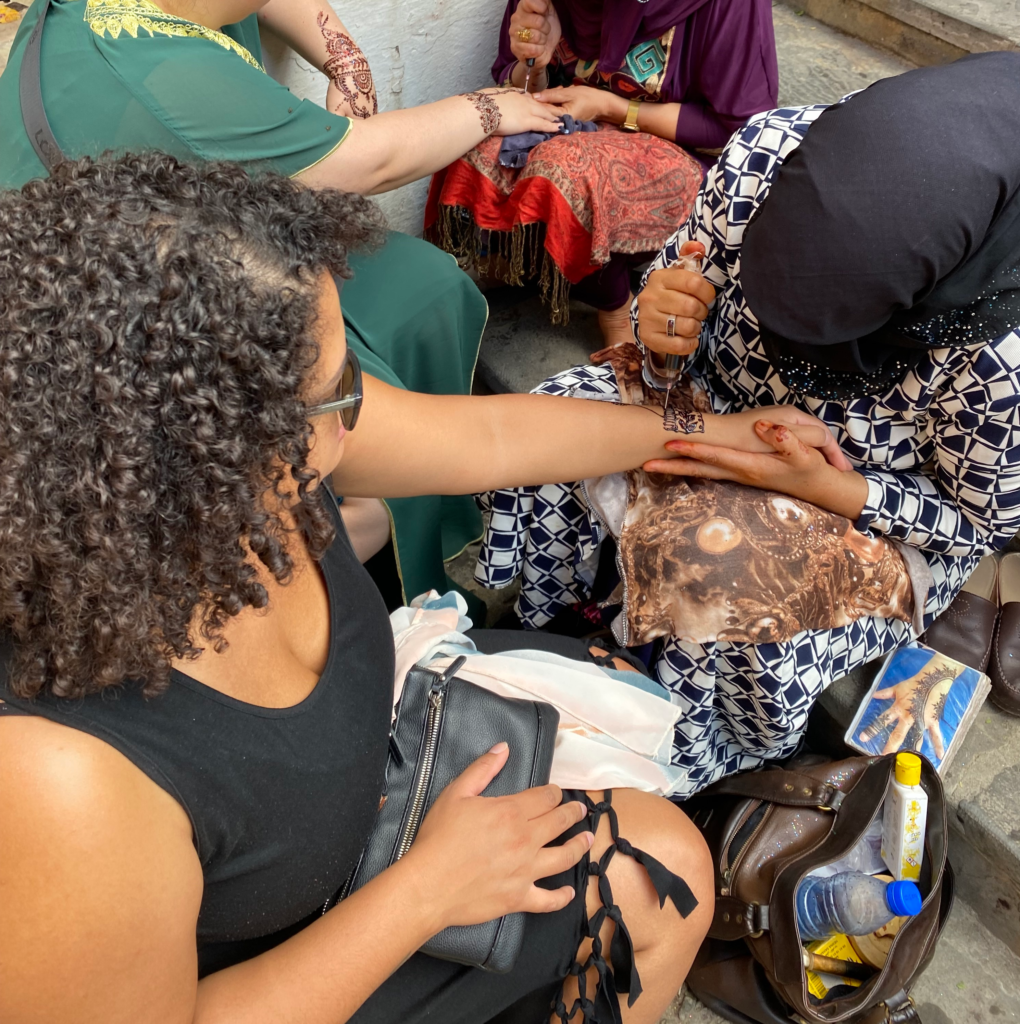
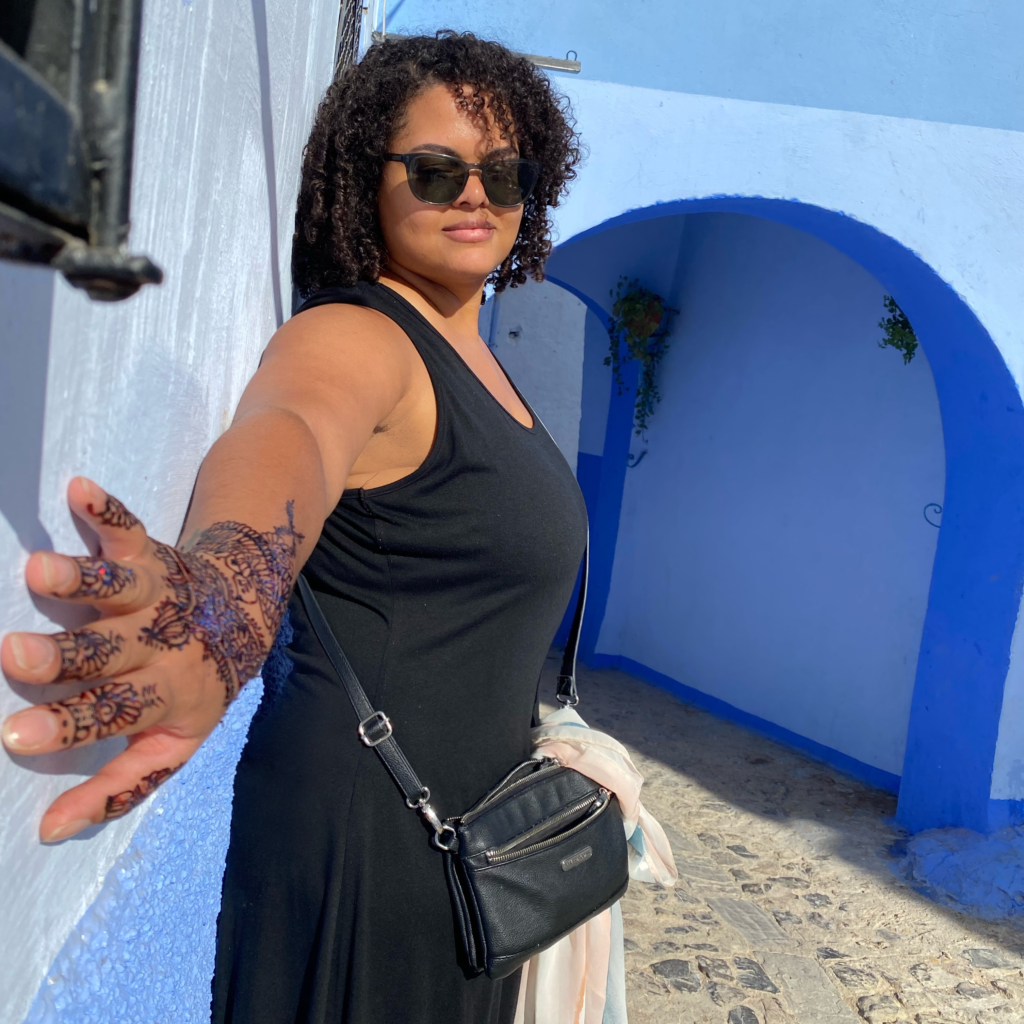
You can find henna artists anywhere, but I spontaneously got mine applied in Chefchaouen. Henna does not only belong to Morocco, but I felt I had to get it done before I went back home. Henna is an ancient art originating from North Africa, the Middle East, and parts of East/West Africa like the Sudan. It spread to South Asia through ancient trade routes, where it is called mehndi.
As our group strolled through the winding streets of The Blue City, we came across a group of women who were sitting in a plaza advertising their henna services. I chose from the book of designs and was very happy with the result. I made sure to take a few photos even though I was feeling miserable from food poisoning!
Metalworking
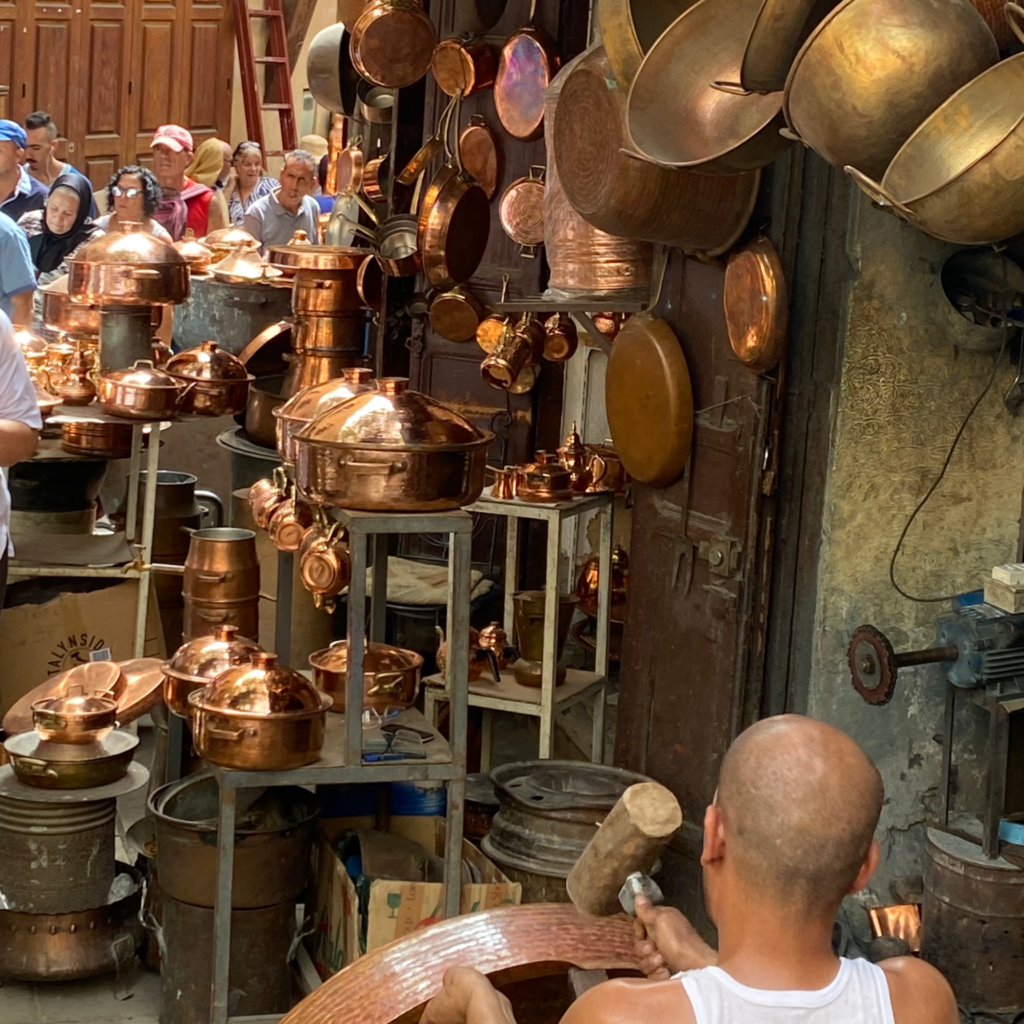
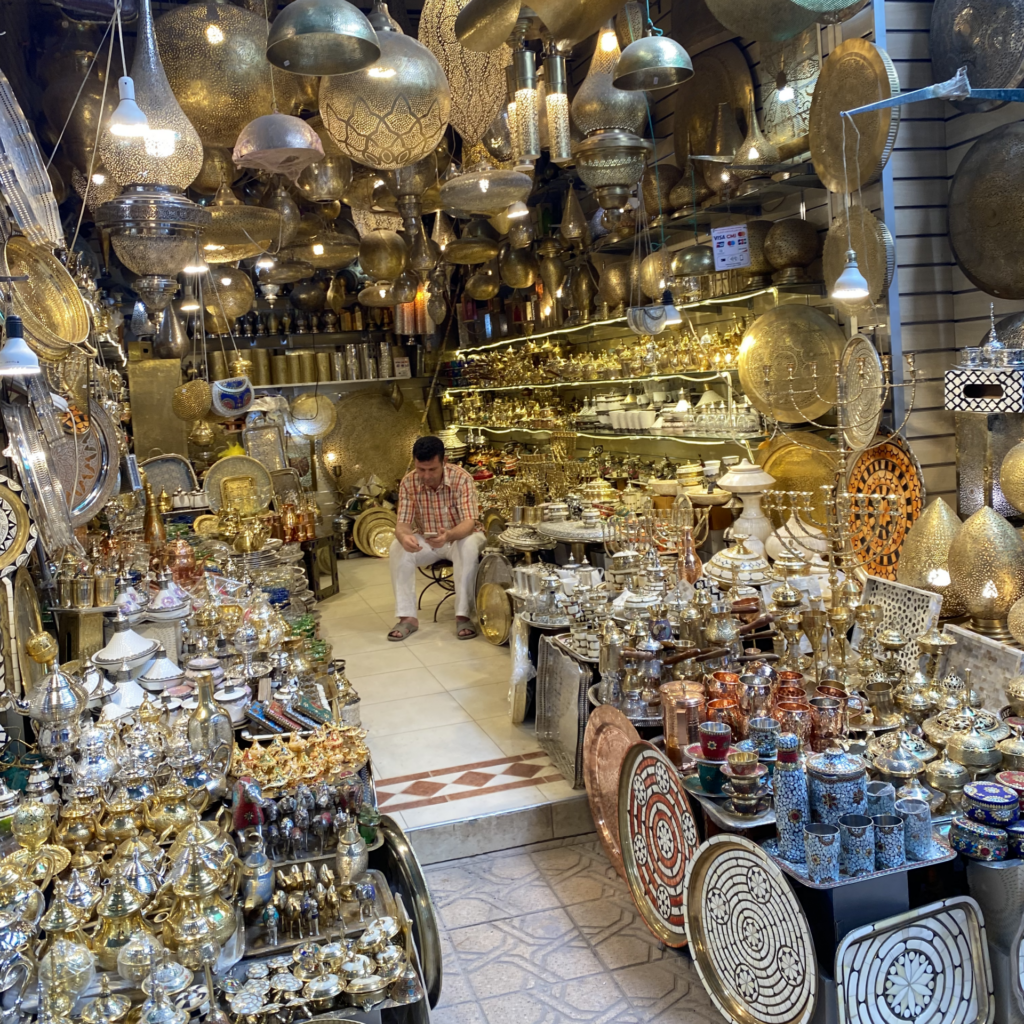
Intricate brass, copper, and silver lanterns and tea sets are very recognizable examples of traditional Moroccan craft techniques. One technique is dinanderie, or hammering. Artisans start with a flat sheet of brass, then shape the metal into curved forms with nothing but a hammer and anvil. Serrouj is the art of piercing, allowing light to cast those signature patterns at night. This involves using a fine-bladed hand saw to cut each individual detail directly from the brass. Naqsh involves hand-engraving with steel tools to create detailed patterns on the metal’s surface. Also, wrought iron work is often used for lanterns, mirrors, or candelabras.
Tannery and Leather Goods
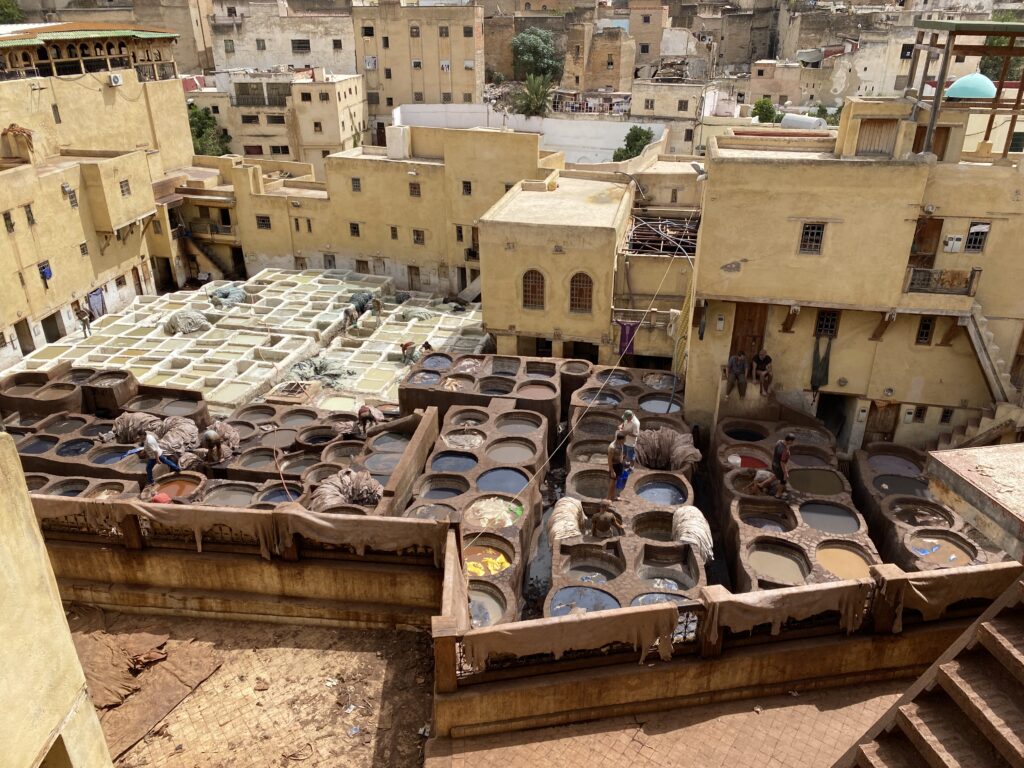
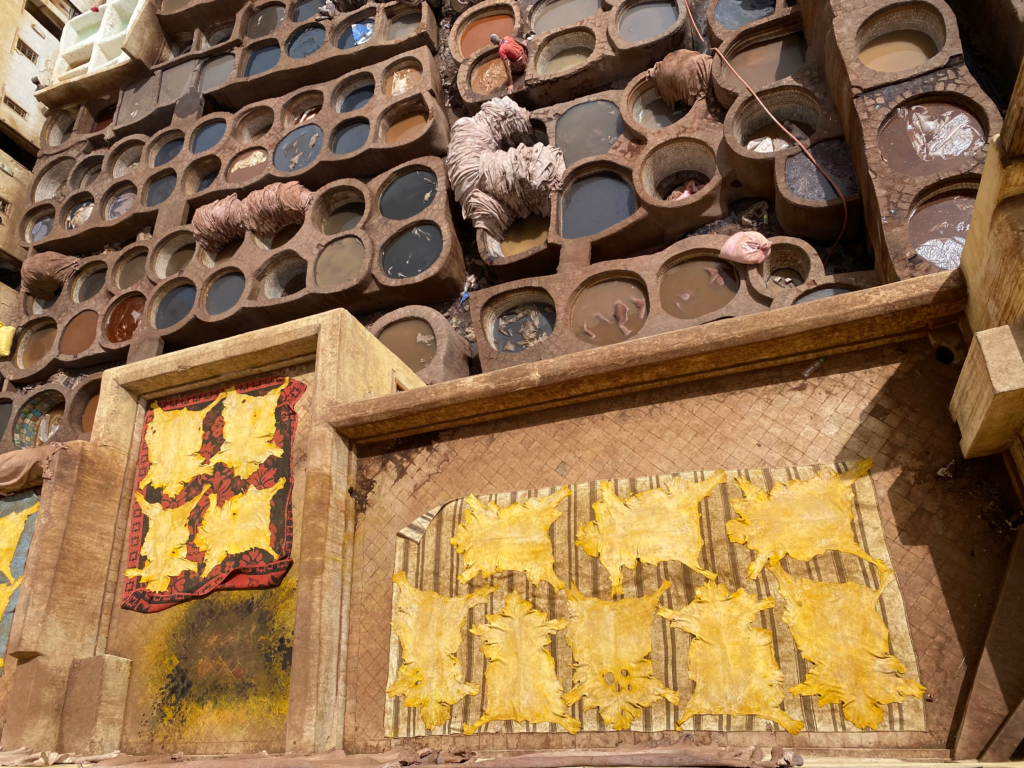
You may have seen photos of the famous Chouara Tannery, located inside the Fes medina. It is well-known as the largest and one of the oldest tanneries in the city, dating back to the 11th century. Tanning techniques here have remained unchanged since medieval times, being passed down through generations. The process involves cleaning raw animal hides in stone vats filled with water, cow urine, salt, ashes, and quicklime, then softening them in a separate vats filled with pigeon droppings and water. Men stomp the skins for hours, standing waist-deep in the vats. The skins are then dyed. Separate vats contain dyes from plants like mint, saffron, henna, indigo, poppy flowers, and other local, natural sources.
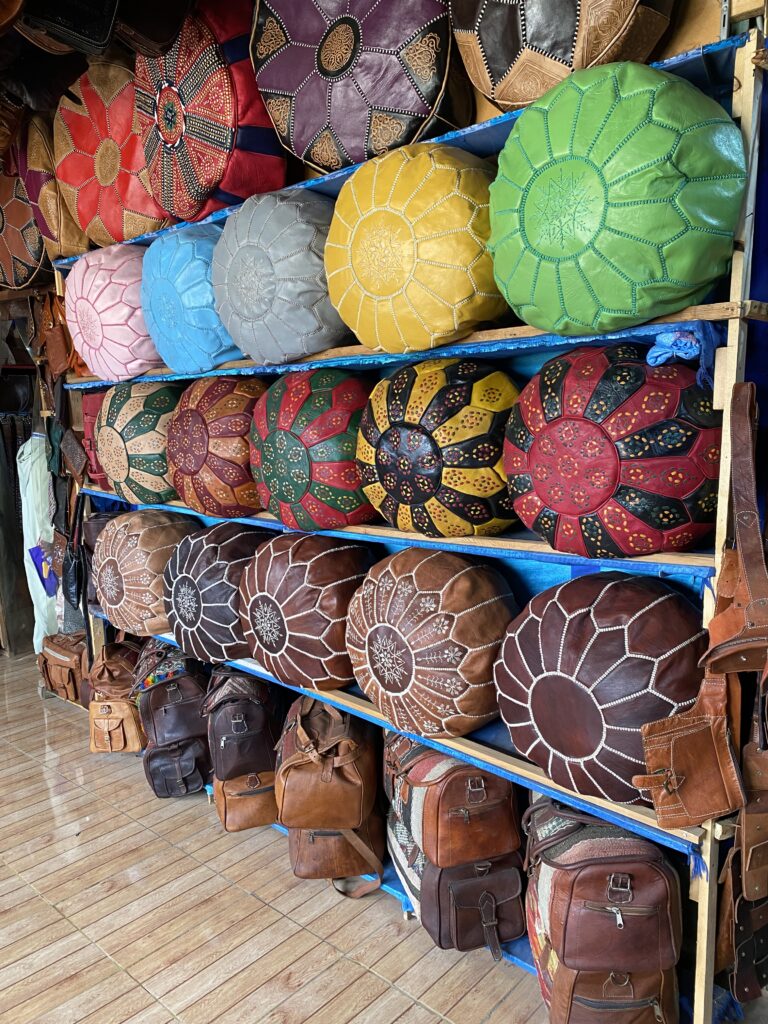
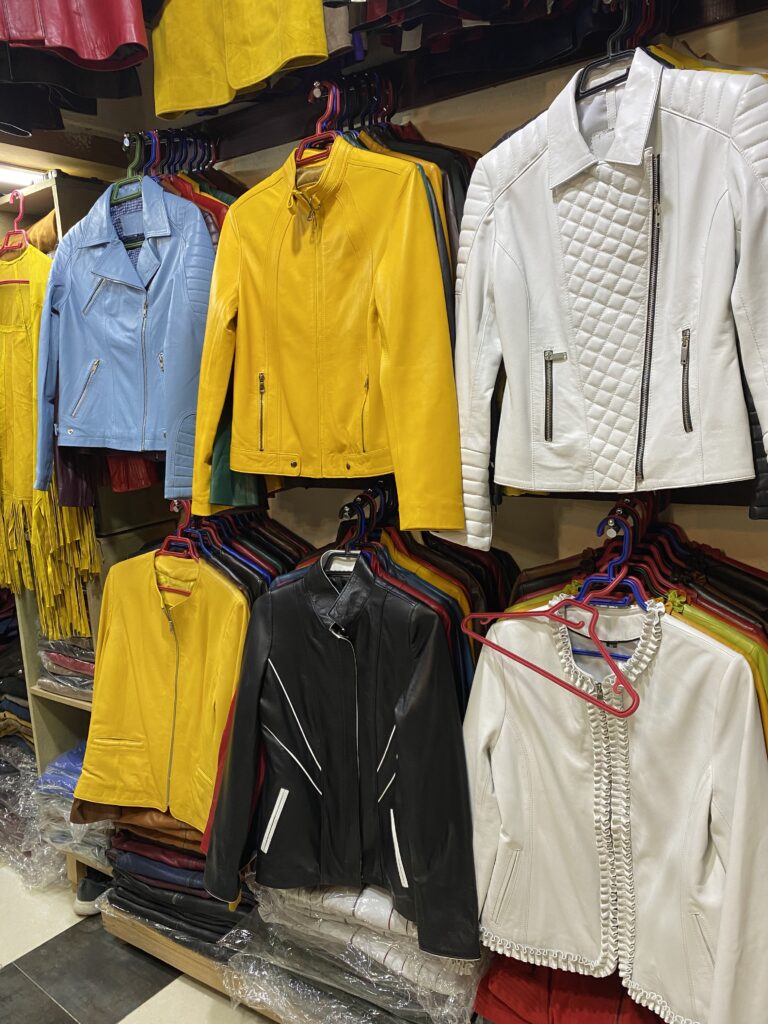
The process continues with drying under the sun before the tanned leather is sent to artisans to hand-stitch ottomans, bags, jackets, babouches (leather slippers), and more. This process is also famous for its strong odor which is why they give you mint leaves as you enter the building to keep under your nose.
Woodworking – Moroccan Doors
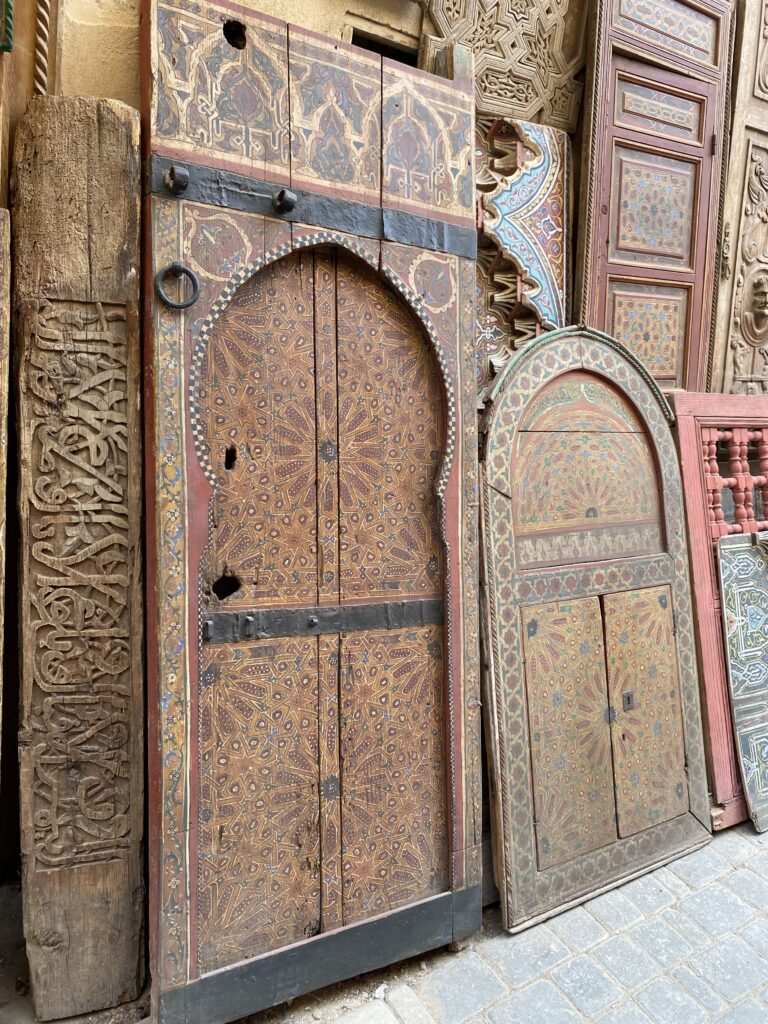
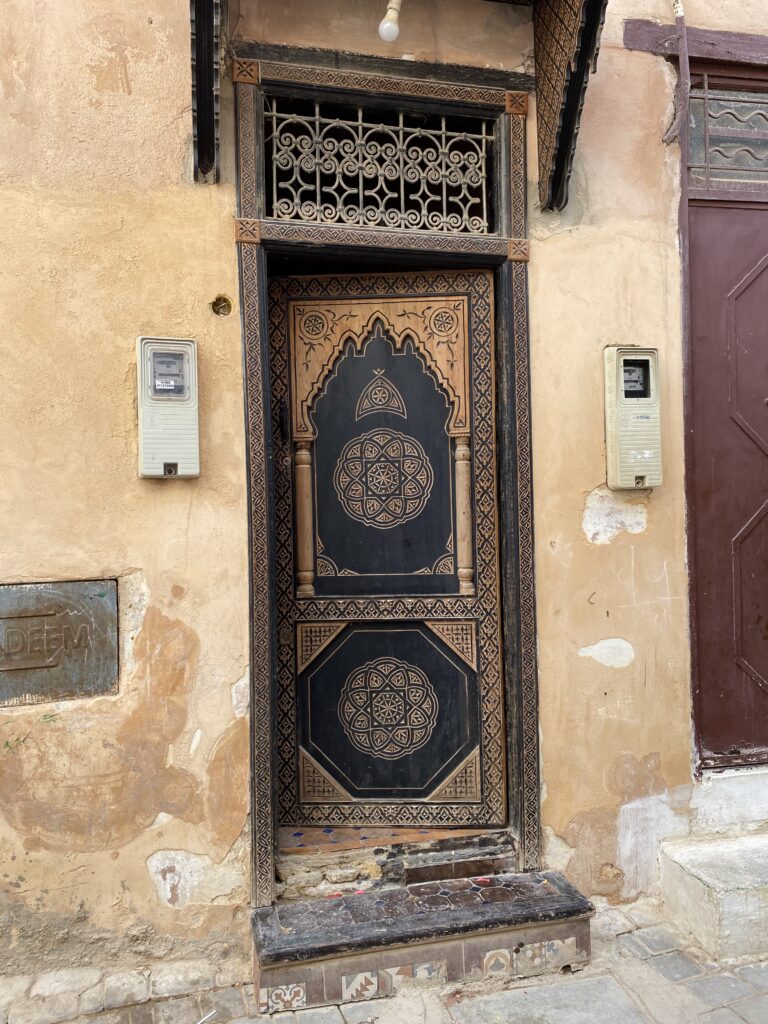
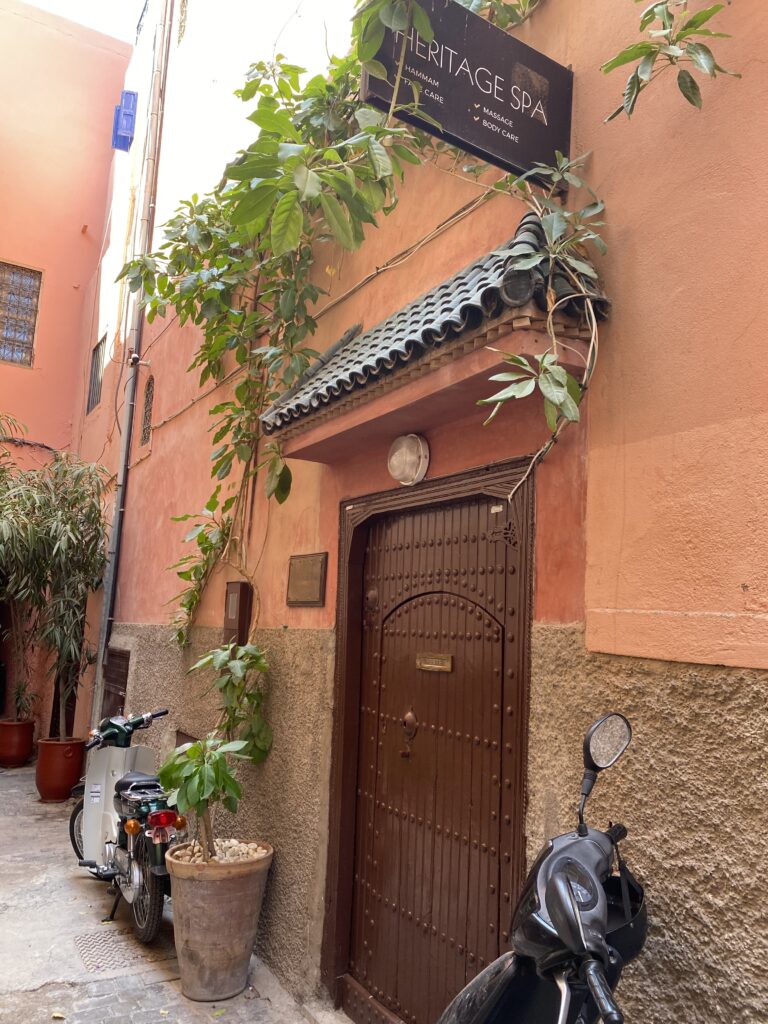
Although I didn’t get to see Moroccan doors being crafted, I did see plenty of them, both for sale in the medina and on actual homes. I learned that there is a lot of meaning and utility attached to door designs. For example, you may notice there is a smaller door within the larger door – the smaller one is for everyday use and the larger one is for carrying furniture in and out or if an animal needs to enter. Some doors have a door knocker in the shape of a hand, called the Hand of Fatima. If the hand has a ring on it, all the women who live there are married. If there is no ring on the hand, there is a single woman open to proposals.
As far as door styles, each is unique. They are typically made using durable wood like cedar or walnut and hand-carved with geometric patterns, floral details, and traditional symbols. Some feature brass or iron studs (third photo below), brass door knockers, different colors, zellige tiles, or lattice screens (center photo below). Even the colors sometimes have meaning. Blue represents the sky, heaven, water, and the planet Mercury.
I hope you enjoyed reading about these traditional Moroccan craft techniques and all the skill that goes into each and every piece. Have you witnessed any of these techniques yourself? Do you own handmade Moroccan crafts? Let me know in the comments and follow me on TikTok and Instagram for more content.
If you liked this, check these out:
Meknes to Marrakesh: A Colorful Trip Through Northern Morocco
Get Acquainted with Venice, Italy: Its History, Culture & Tourism
How to Spend a Long Layover in Lisbon, Portugal
6 Things to Do in Beautiful Jávea, Spain
Pin it for later: